
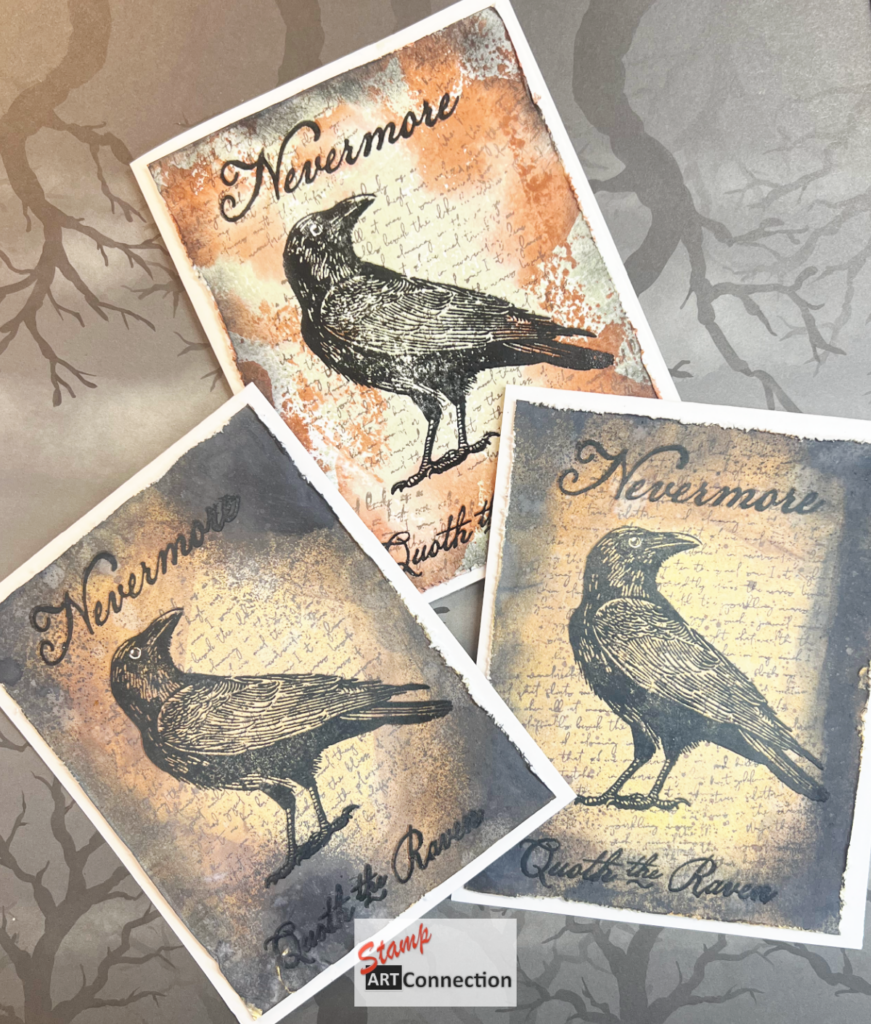
Two Easy Ways to Create Vintage Halloween Backgrounds
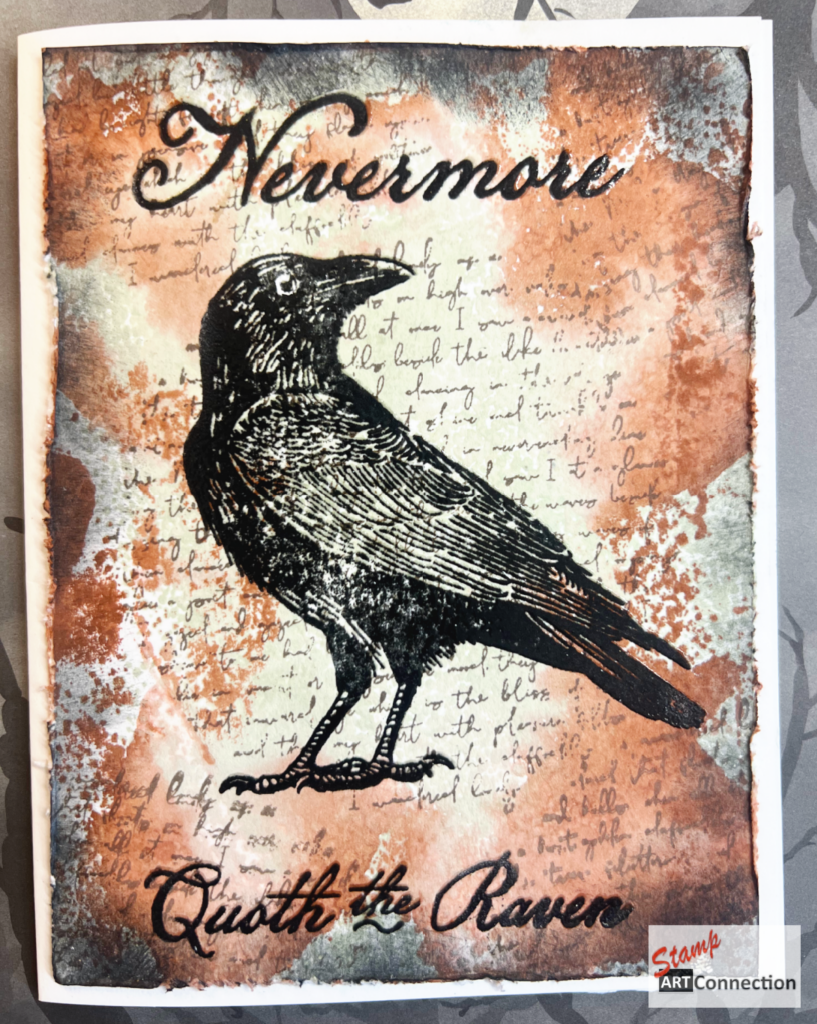
The Raven’s Tale stamp set practically begs for dramatic, vintage backgrounds! In this tutorial, I’m sharing two completely different techniques that create beautifully aged Halloween cards.
Whether you’re a Stampin’ Up! enthusiast or a Ranger Distress Oxide fan, you’ll learn how to achieve a spooky, weathered look perfect for Edgar Allan Poe-inspired projects.
The best part? Both techniques use the same new stamp from the July ONLINE EXCLUSIVE products “Raven’s Tale” stamp set from Stampin’ Up! and create distinctly different results.
Technique #1
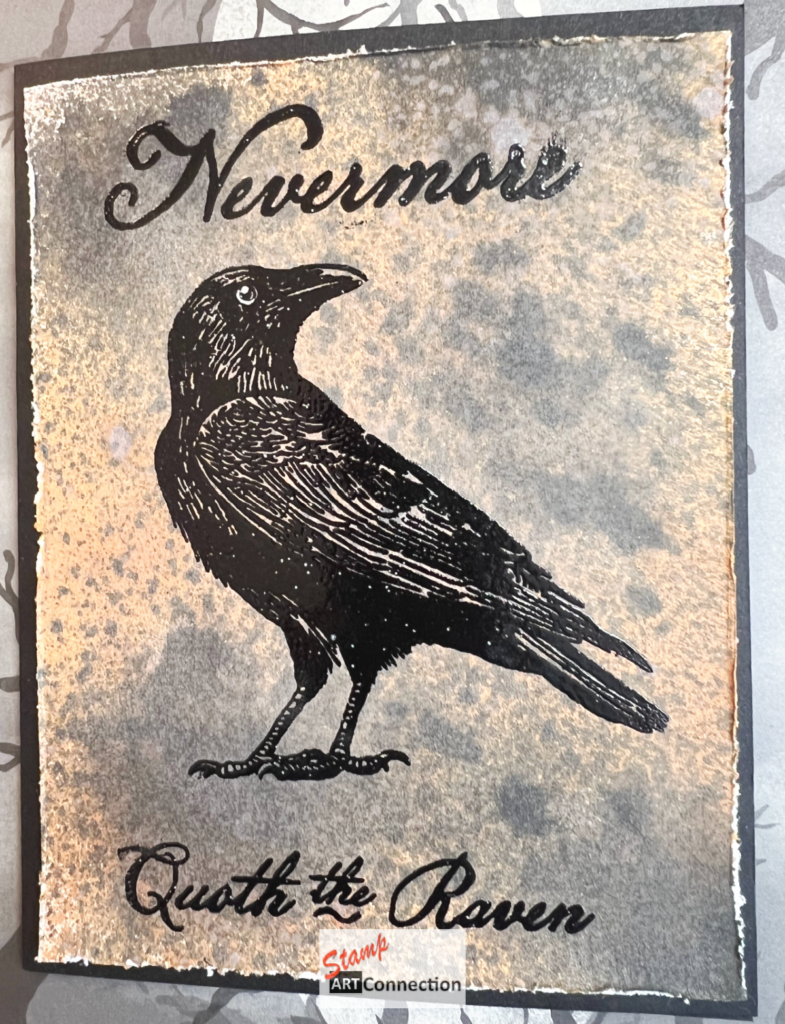
Vintage Background Using Ranger Distress Oxide Inks
Want a more distressed, weathered appearance? Ranger Distress Oxides produce beautiful oxidized layers with incredible texture.This version relies entirely on Distress Oxides for the background coloring.
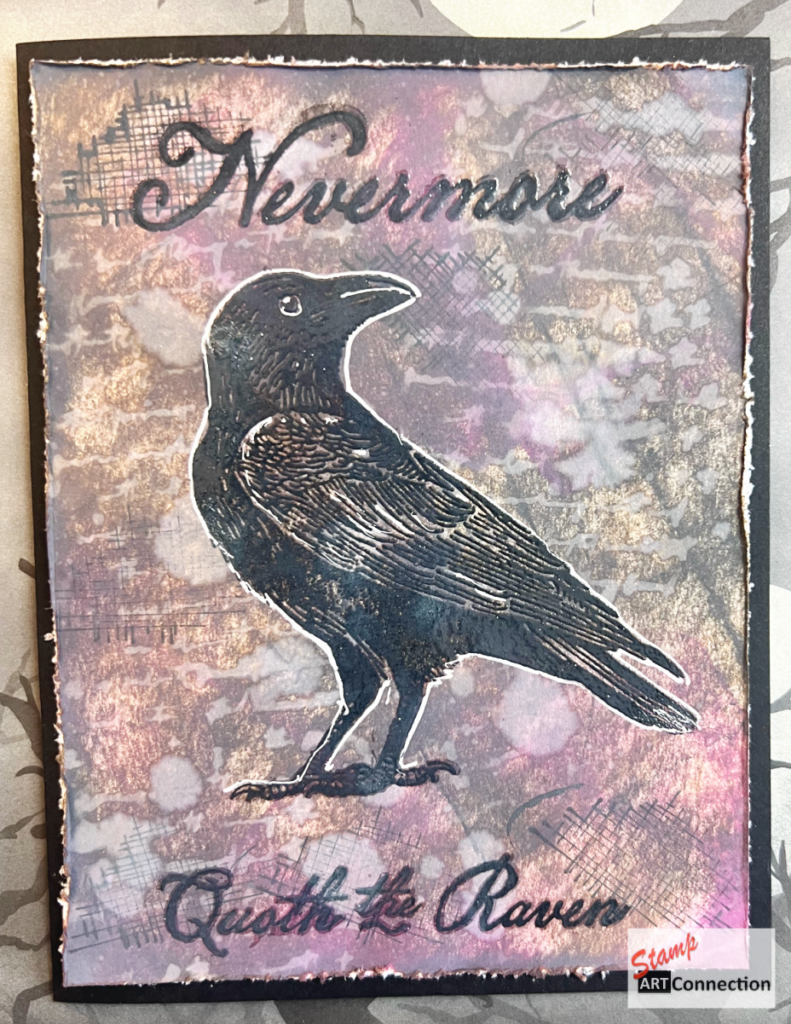
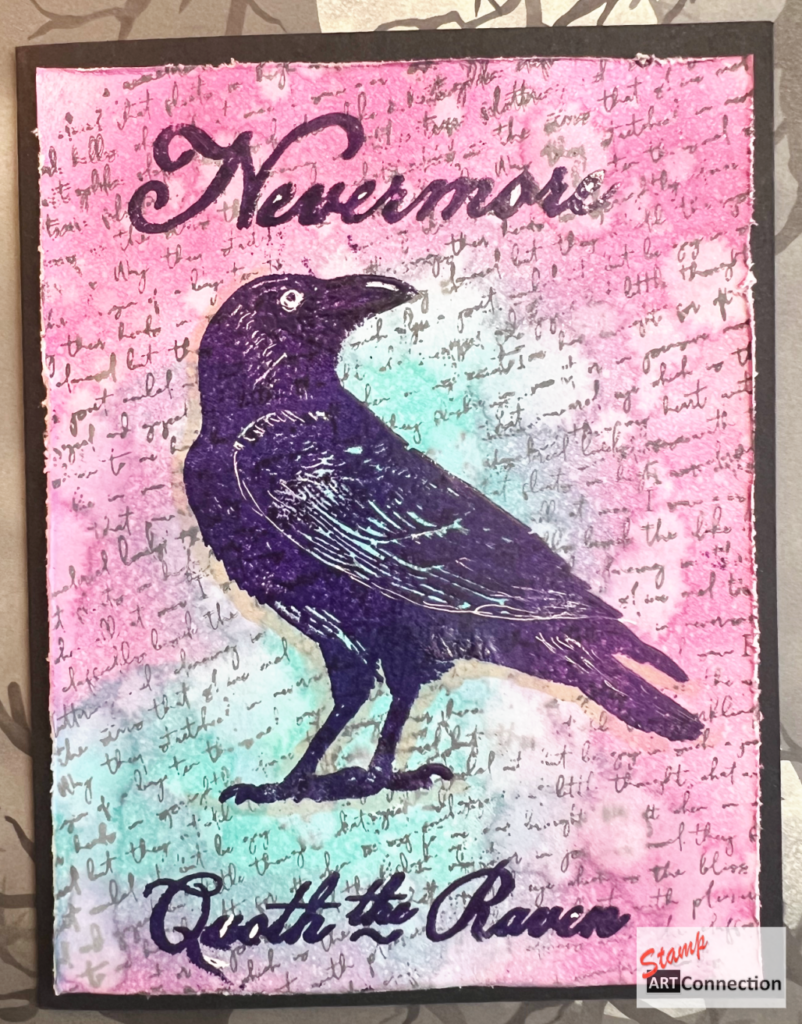
Technique #2
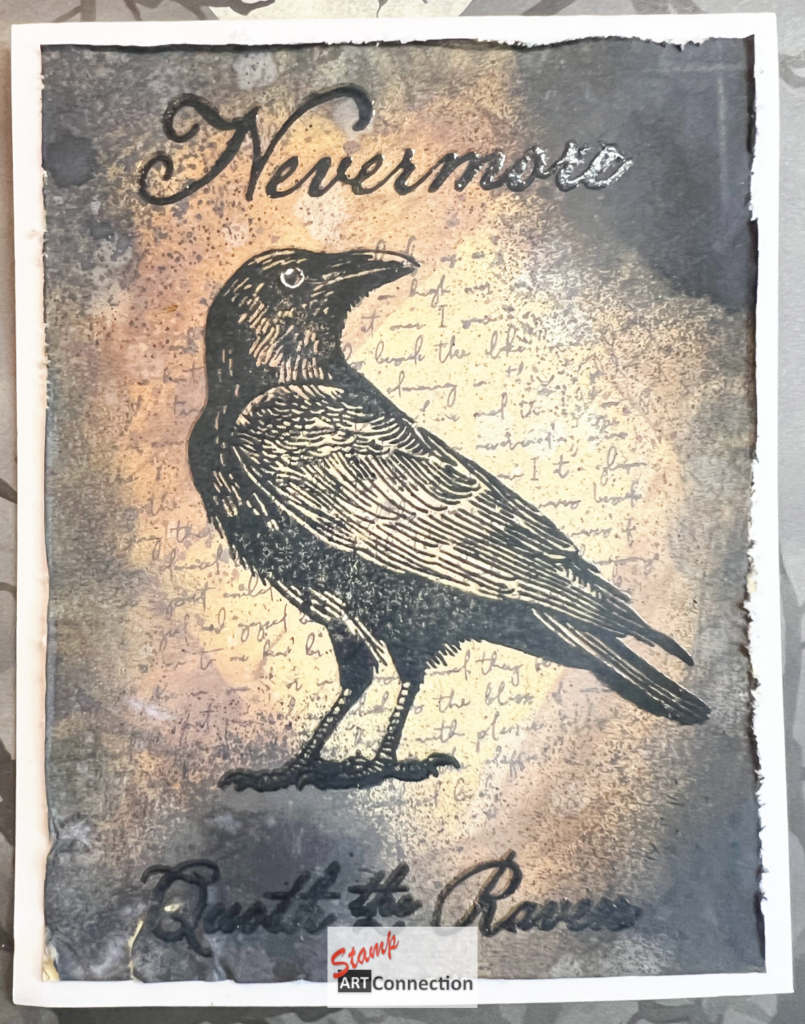
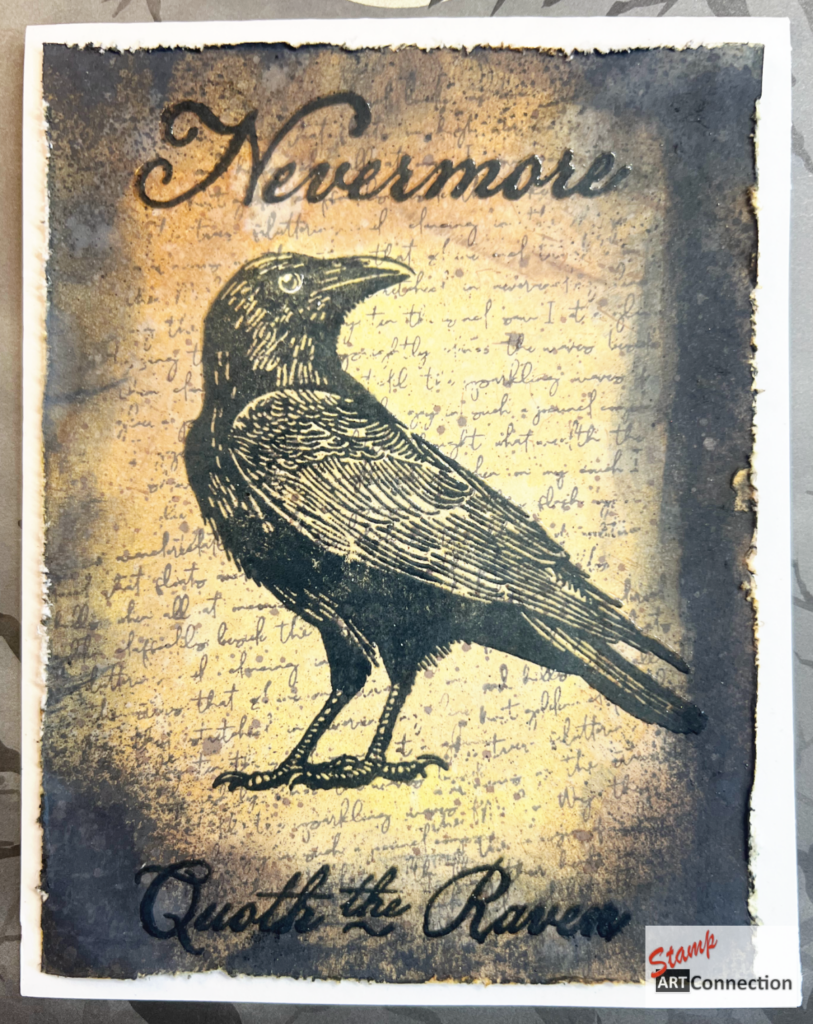
Vintage Background Using Stampin’ Up! Inks
If you love working with Stampin’ Up! Classic Inks, this technique creates an elegant antique parchment effect using only Stampin’ Up! products.
VIDEO TUTORIAL
Featured Products
Stamp Set
- Raven’s Tale
Ranger Distress Oxides
- Antique Linen
- Vintage Photo
- Black Soot
Stampin’ Up! Inks
- Gray Granite
- Basic Gray
- Memento Tuxedo Black
- Copper Clay
- Basic Beige
Tools
- Blending Brushes
- Water Mister (optional)
Embossing
- VersaMark Ink
- Clear Embossing Powder
Tools
- Blending Brushes
- Heat Tool
Card Measurements
Card Front
- 5¼” × 4″
- Basic White Thick Cardstock
Card Size
- Card Front: 5¼” × 4″ (Basic White Thick Cardstock)
- Card Base 5.5″ x 4.25″
If you enjoy creative background techniques, be sure to Like, Subscribe, and click the notification bell so you don’t miss future tutorials from Stamp ART Connection.
Visit my blog for more inspiration, project photos, and tutorials:
https://stampartconnection.com
Happy Stamping!
Kat Chancellor – Stamp ART Connection
This version more accurately reflects the video by treating the Stampin’ Up! ink technique and the Distress Oxide technique as two separate demonstrations rather than blending them into a single project.
Hi there!
I learned so much! Thank you for sharing, especially since I love this set and just ordered it!
Cheers!